

Menstruation, a natural and biological process, remains one of the most misunderstood and stigmatised experiences in human life, especially girls’ lives. It is a regular cycle that affects roughly half of the global population, yet conversations around it often remain shrouded in discomfort, myth, and silence.
At its core, menstruation is the body’s way of shedding the uterine lining when pregnancy does not occur. Every month, hormonal changes, mainly involving estrogen and progesterone, prepare the uterus for a potential embryo. When fertilisation doesn’t occur, hormone levels drop, causing the lining to break down and exit the body through the vagina. This process, known as a period, typically lasts three to seven days and recurs roughly every 28 days, though individual variations are normal.
Beyond reproduction, menstruation is an important indicator of overall health. Regular menstrual cycles often signal that the body’s hormonal and reproductive systems are functioning properly. Conversely, irregularities such as missed periods, excessive bleeding, or severe pain can indicate underlying health conditions like polycystic ovary syndrome (PCOS), thyroid issues, or endometriosis. Doctors frequently use menstrual patterns as a diagnostic tool to assess broader health concerns.
However, for many, the days leading up to menstruation can bring a storm of emotional and physical changes known as premenstrual syndrome, or PMS. It’s an experience shared by an estimated three out of four women worldwide. Symptoms range from irritability, bloating, and mood swings to fatigue and headaches. In severe cases, a related condition called premenstrual dysphoric disorder (PMDD) can cause debilitating mood disturbances that significantly affect daily life.
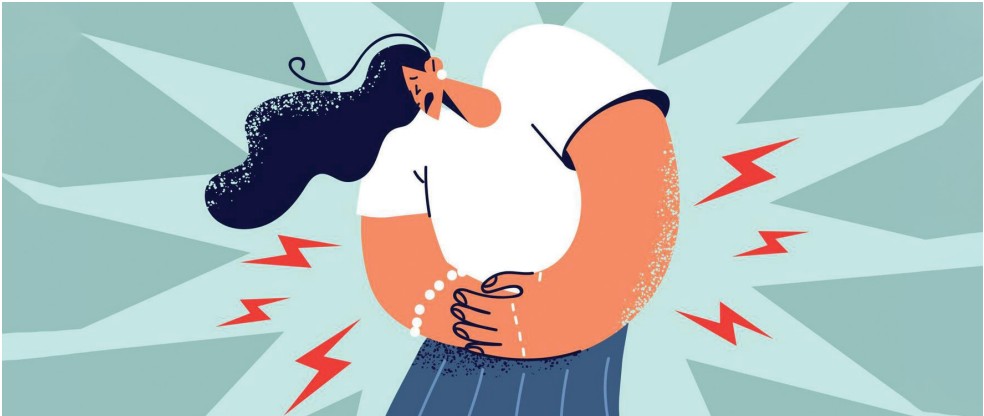
Pain is another common aspect of menstruation, often dismissed as a routine inconvenience. Yet, for millions, the cramps and discomfort medically known as dysmenorrhea can be intense enough to disrupt work, study, or social activities. Health experts warn that severe menstrual pain should not be ignored, as it can sometimes mask underlying medical conditions that require attention.
Maintaining proper menstrual hygiene is critical, but not universally possible. The World Health Organization and UNICEF emphasise that menstrual hygiene management requires access to clean products such as pads, tampons, or menstrual cups, along with privacy, water, and safe disposal systems. In many low-income regions, however, these basic needs remain unmet. Lack of access forces individuals to use unsafe alternatives like rags, heightening the risk of infections.
Moreover, inadequate facilities in schools lead many girls to miss classes during their periods, creating long-term consequences for their education.
The issue extends beyond hygiene. It’s deeply entangled with cultural taboos and social silence. Across South Asia, Africa, and even parts of the developed world, menstruation is often viewed as impure or shameful. Women are sometimes forbidden from cooking, praying, or participating in community life during their periods. Many are even discouraged from discussing it openly, perpetuating cycles of misinformation. This stigma often begins early: countless girls experience their first period without understanding what’s happening to their bodies because menstruation is rarely discussed at home or in schools.
This silence contributes to what activists call ‘period pov erty’, a combination of financial hardship, lack of access to menstrual products, and absence of education about menstruation. The World Bank estimates that at least 500 million people globally lack the means to manage their periods safely and with dignity. In some countries, menstrual products are still taxed as luxury items, despite being essential to health and well-being.
The cultural discomfort surrounding menstruation is perhaps most visibly reflected in advertising. For decades, commercials for sanitary products have used blue liquid to represent menstrual blood, a visual choice that distances viewers from the natural reality of the process. The message is subtle but powerful: menstruation should remain unseen, unspoken and sanitised.
Yet, change is underway. Around the world, activists, educators, and health professionals are challenging these taboos.
Campaigns for menstrual equity have pushed governments to eliminate taxes on sanitary products and to distribute free pads in schools and public facilities. In 2020, Scotland became the first country to make menstrual products freely available to anyone who needs them, setting a global precedent.
There are also growing environmental concerns tied to menstruation. Disposable pads and tampons generate billions of pieces of non-biodegradable waste annually, prompting a shift toward reusable options like menstrual cups and washable cloth pads. These alternatives not only reduce waste but can also offer cost-effective solutions for those who cannot afford disposable products every month.
Despite progress, the path toward menstrual equality remains long. Conversations about periods often still evoke discomfort, and misinformation continues to flourish. Breaking the silence requires education for all genders. When boys and men understand menstruation as a normal biological process rather than a taboo topic, it helps dismantle the stigma that isolates millions of women and girls.
Menstruation is not merely a biological event. It is a lens through which we can examine broader questions of health, equity, and human rights. The right to manage menstruation with dignity, with access to safe products, accurate information, and without any shame, should be seen as a basic human necessity. To normalise the conversation around periods is to affirm the dignity of those who experience them. After all, menstruation is not a secret, a curse, or an inconvenience; it is a natural rhythm of life, one that deserves respect, understanding, and equality.